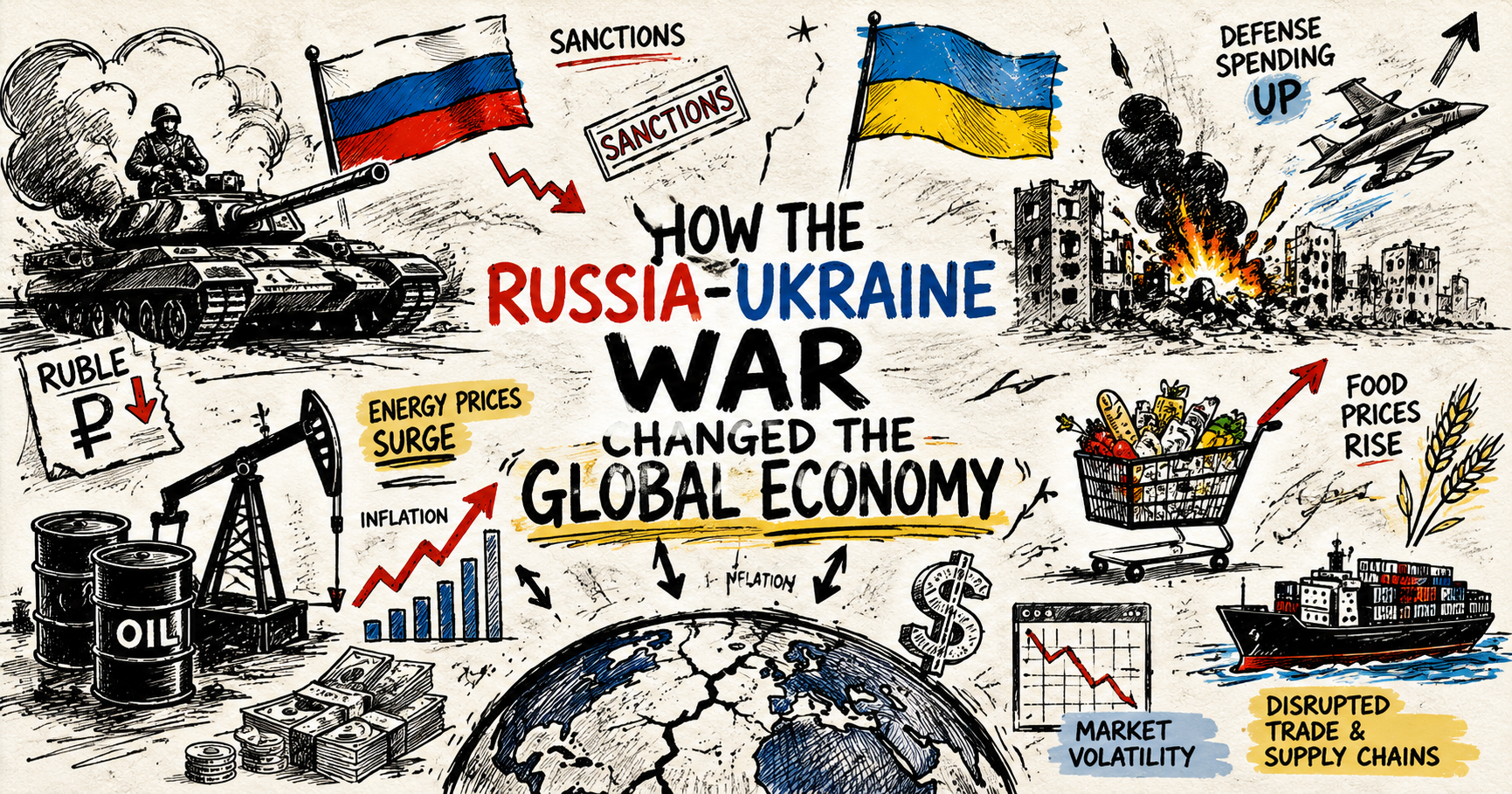

When people think about the Russia-Ukraine war, they usually picture destroyed cities, military offensives, sanctions, and geopolitical tension.
But the war’s impact extends far beyond the battlefield.
In reality, one of the biggest consequences of the conflict has been economic and much of it has quietly affected ordinary people around the world without them even realizing it.
From rising food prices and fuel costs to inflation, energy shortages, disrupted trade routes, and global market instability, the Russia-Ukraine war has reshaped the world economy in ways that continue to unfold even years after the conflict escalated.
The war did not just change Eastern Europe.
It changed global economics.
How This War Affects Economically
Russia and Ukraine both play major roles in global supply chains.
Before the war:
- Russia was one of the world’s largest exporters of oil, natural gas, and fertilizers
- Ukraine was among the largest exporters of wheat, corn, and sunflower oil
Together, the two countries influenced global energy and food markets far more than many people realized.
When war disrupted production and trade:
- prices surged globally
- supply chains weakened
- inflation increased across multiple economies
This is why even countries far away from Europe felt economic pressure almost immediately.
Europe Faced a Massive Energy Shock
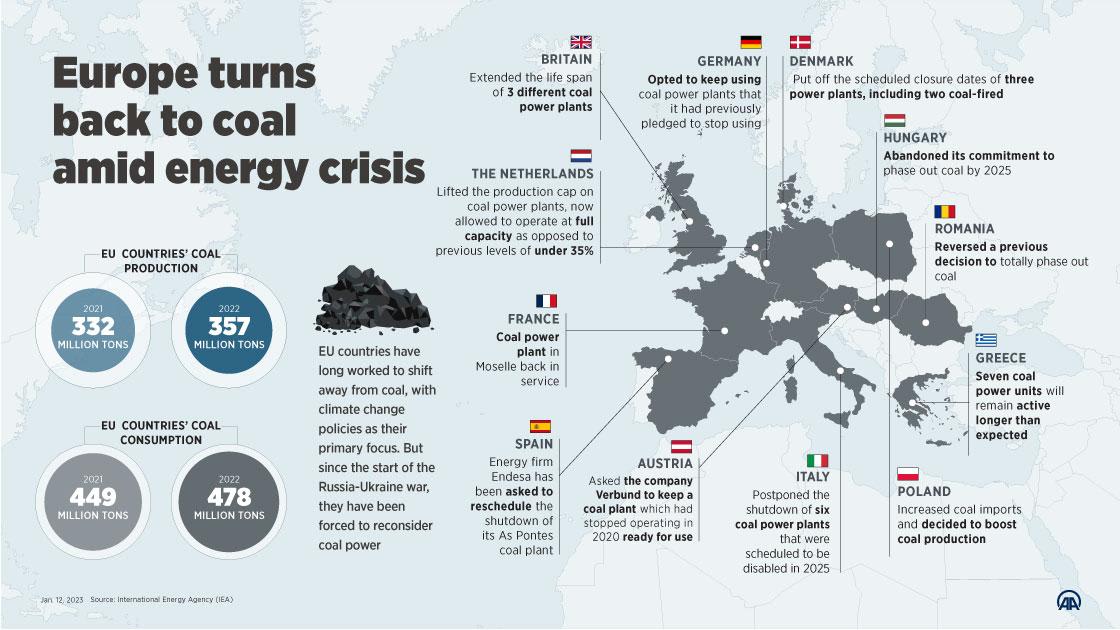
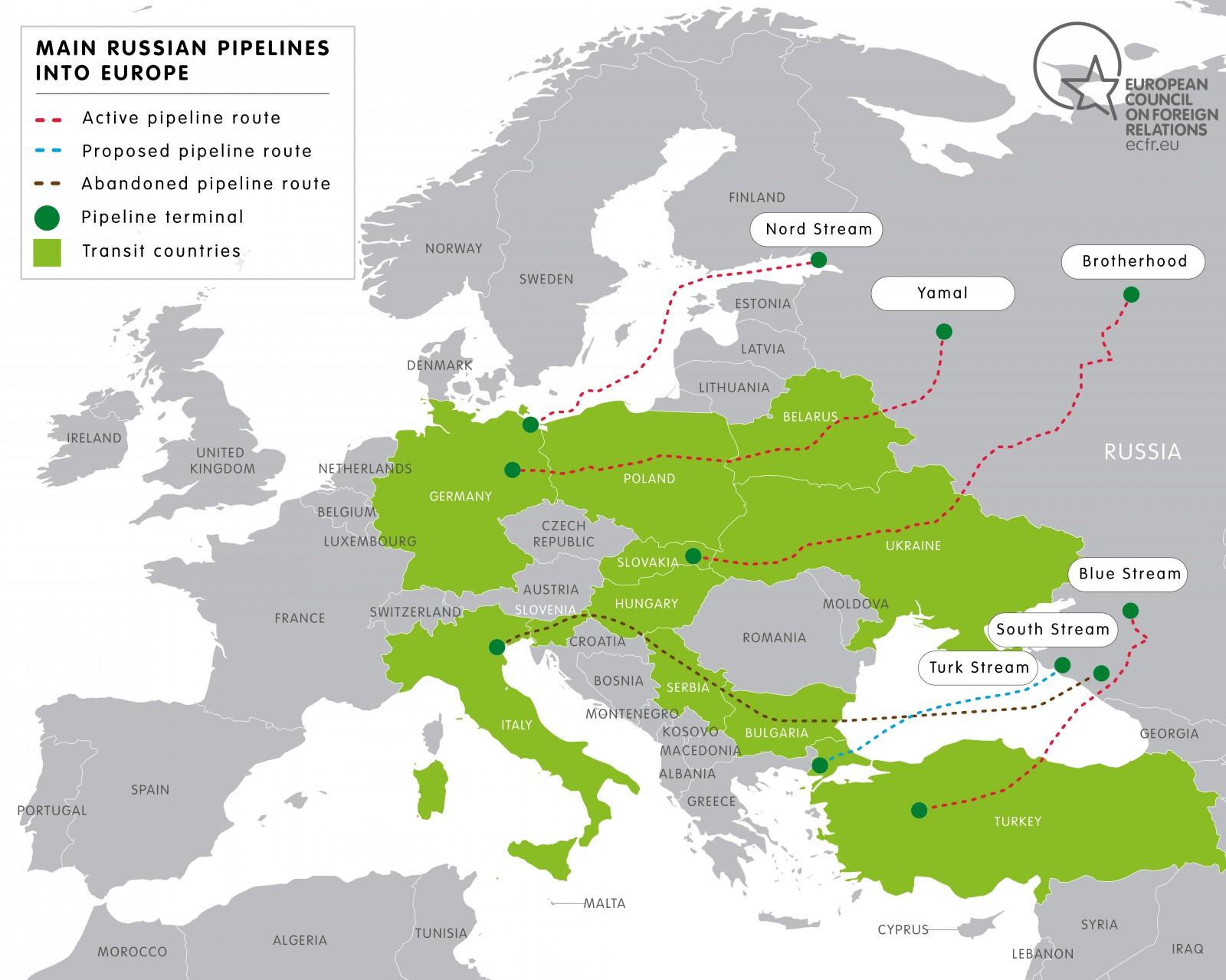
One of the biggest hidden impacts was Europe’s energy crisis.
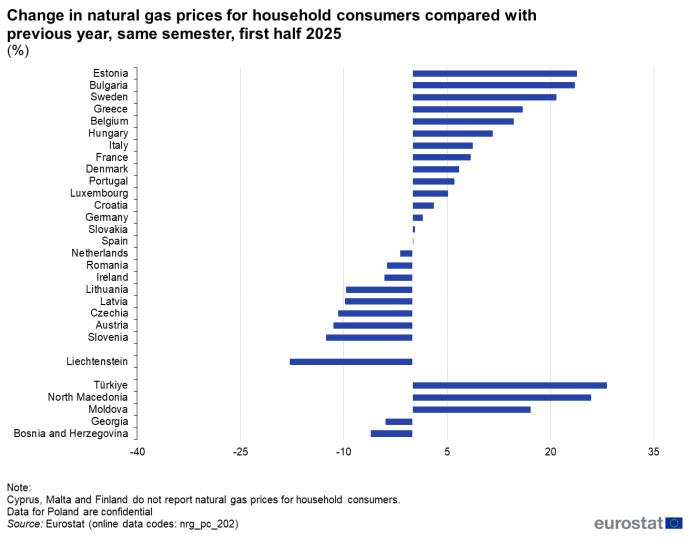
Before the war escalated, several European countries depended heavily on Russian natural gas. In some cases, Russia supplied over 40% of Europe’s imported gas.
After sanctions and supply disruptions:
- energy prices skyrocketed
- electricity costs surged
- industries faced production pressure
- inflation increased sharply
According to European economic reports, energy inflation became one of the biggest drivers of rising living costs across the continent during the peak of the crisis.
Factories reduced operations. Governments introduced emergency energy measures. Households faced dramatically higher utility bills.
The war exposed how vulnerable global energy systems could become during geopolitical conflict.
Global Inflation Became Worse
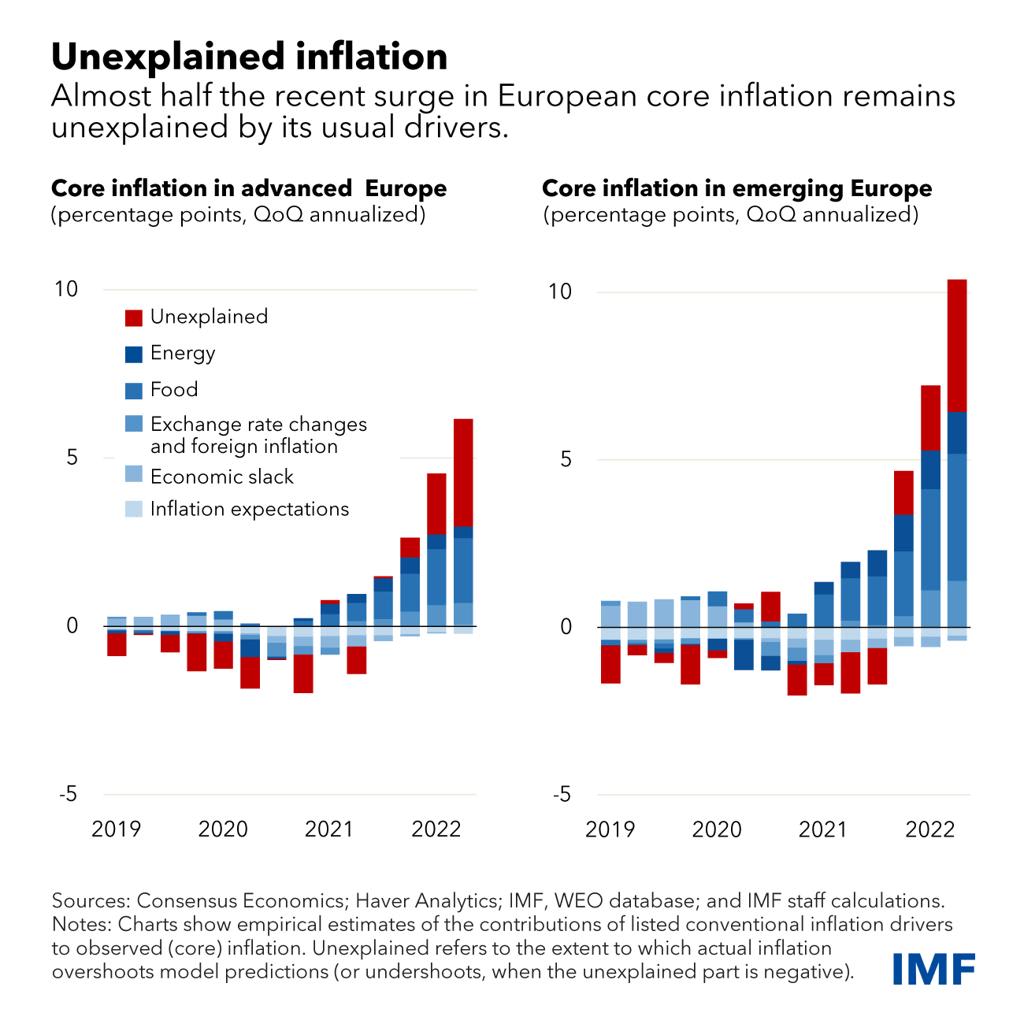
The conflict also intensified worldwide inflation.
When energy becomes more expensive:
- transportation costs rise
- manufacturing becomes costlier
- food prices increase
- supply chains slow down
As a result, inflation spread across economies already recovering from the pandemic.
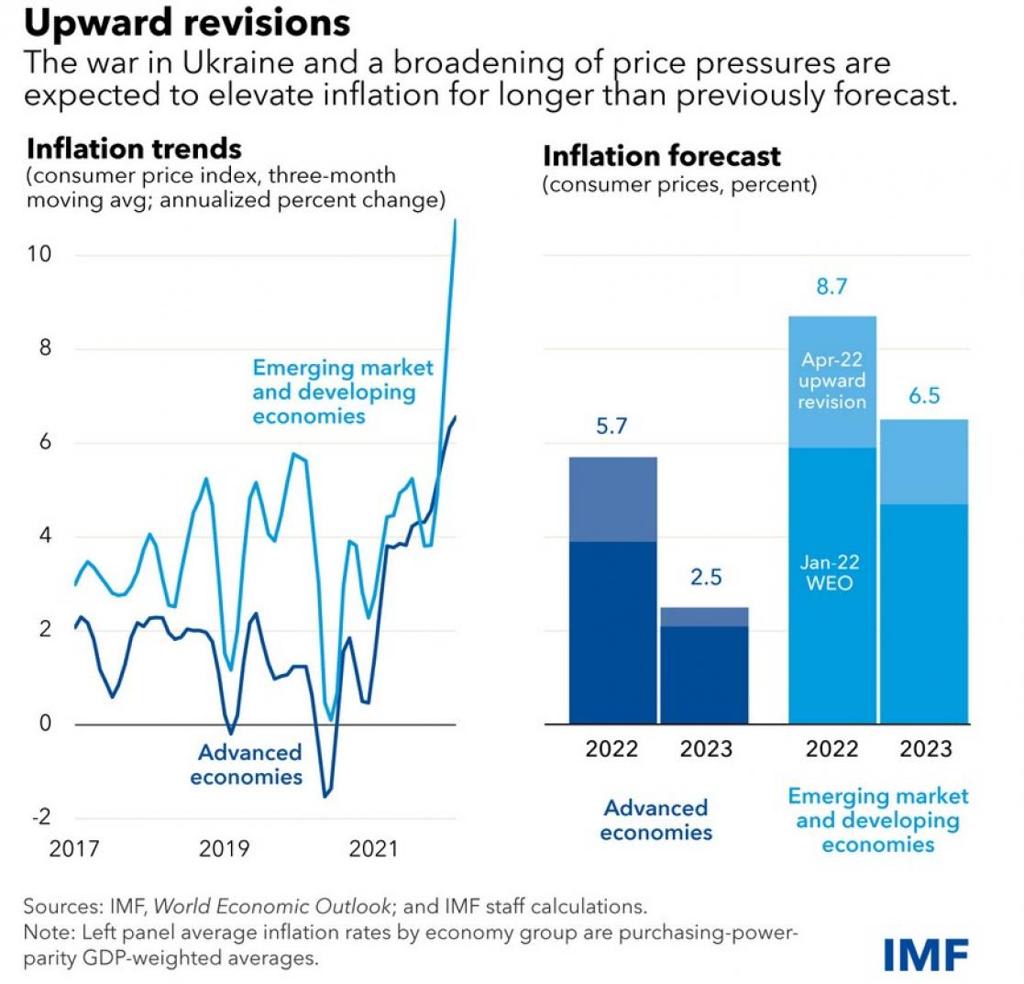
Countries around the world saw:
- rising grocery prices
- higher fuel costs
- increased shipping expenses
- more expensive imports
Central banks responded by raising interest rates aggressively.
This affected:
- home loans
- business borrowing
- investments
- economic growth
The economic consequences spread far beyond Europe itself.
Food Prices Were Quietly Hit Hard
Ukraine has long been called one of the world’s agricultural breadbaskets.
Before the war:
- Ukraine accounted for roughly 10% of global wheat exports
- it was also a major supplier of corn and sunflower oil
When ports were blocked and exports slowed:
- global food markets reacted immediately
- grain prices surged
- poorer importing countries faced shortages
Several regions in Africa and the Middle East that rely heavily on grain imports experienced particularly serious pressure.
Food insecurity became a growing international concern.
This showed how regional wars can quickly become global humanitarian and economic issues.
Sanctions Reshaped Global Trade
Western countries imposed major sanctions on Russia after the invasion.
These sanctions targeted:
- banking systems
- energy exports
- technology imports
- financial transactions
The goal was to weaken Russia economically.
But sanctions also reshaped global trade networks.
New developments emerged:
- Russia redirected energy exports toward Asia
- China and India increased discounted Russian oil purchases
- global shipping routes adjusted
- alternative financial systems gained attention
This contributed to broader discussions about:
- de-dollarization
- BRICS cooperation
- shifting geopolitical alliances
The war accelerated changes already happening inside the global economy.
Defense Spending Increased Worldwide
NATO countries dramatically increased military spending after the conflict intensified.
Germany alone announced one of the largest defense spending expansions in modern European history.
Governments across Europe began investing more in:
- weapons systems
- cybersecurity
- military infrastructure
- defense manufacturing
This created economic ripple effects:
- rising government spending
- shifting national budgets
- expanding defense industries
The war effectively ended decades of relatively lower military spending across many European nations.
Global Markets Became More Uncertain
Financial markets dislike uncertainty.
The war created exactly that.
Investors worried about:
- energy disruptions
- prolonged inflation
- supply chain instability
- geopolitical escalation
- recession risks
Stock markets became volatile during major stages of the conflict.
Oil prices fluctuated sharply depending on military developments and sanctions announcements.
Currency markets also reacted strongly to geopolitical instability.
The conflict reminded investors that geopolitics can move global markets just as powerfully as economics itself.
India and Other Emerging Economies Had to Adapt
India adopted a careful balancing strategy during the conflict.
India increased purchases of discounted Russian oil while maintaining relationships with Western countries.
This reflected a broader global reality: many emerging economies focused more on economic stability than geopolitical alignment.
Countries across Asia, Africa, and Latin America had to navigate:
- inflation pressure
- higher import costs
- energy uncertainty
- diplomatic balancing
The economic effects of the war became global very quickly.
The War Changed the Global Economy in Ways Still Unfolding
Some economic effects of the war are temporary.
Others may reshape global systems for years.
The conflict accelerated trends including:
- diversification of energy supply
- regional trade partnerships
- military spending growth
- economic fragmentation
- geopolitical competition
Businesses and governments are now thinking differently about:
- supply chain dependence
- energy security
- geopolitical risk
- strategic manufacturing
The world economy has become more politically sensitive than before.
The Biggest Lesson From the Conflict
The Russia-Ukraine war proved something important:
Modern wars are no longer limited to battlefields.
They affect:
- inflation
- food supply
- fuel prices
- trade networks
- financial markets
- global political alliances
In today’s interconnected economy, a conflict in one region can quietly reshape daily life across the entire world.
And that may be the war’s most important long-term impact of all.
The conflict has also pushed NATO countries to increase military readiness and defense spending across Europe.