
For years after the Cold War ended, much of Europe believed large-scale military conflict on the continent had become unlikely.
Defense budgets were reduced. Military expansion slowed down. Many governments shifted focus toward economic growth, trade, and diplomacy rather than preparing for war.
That mindset has changed dramatically..
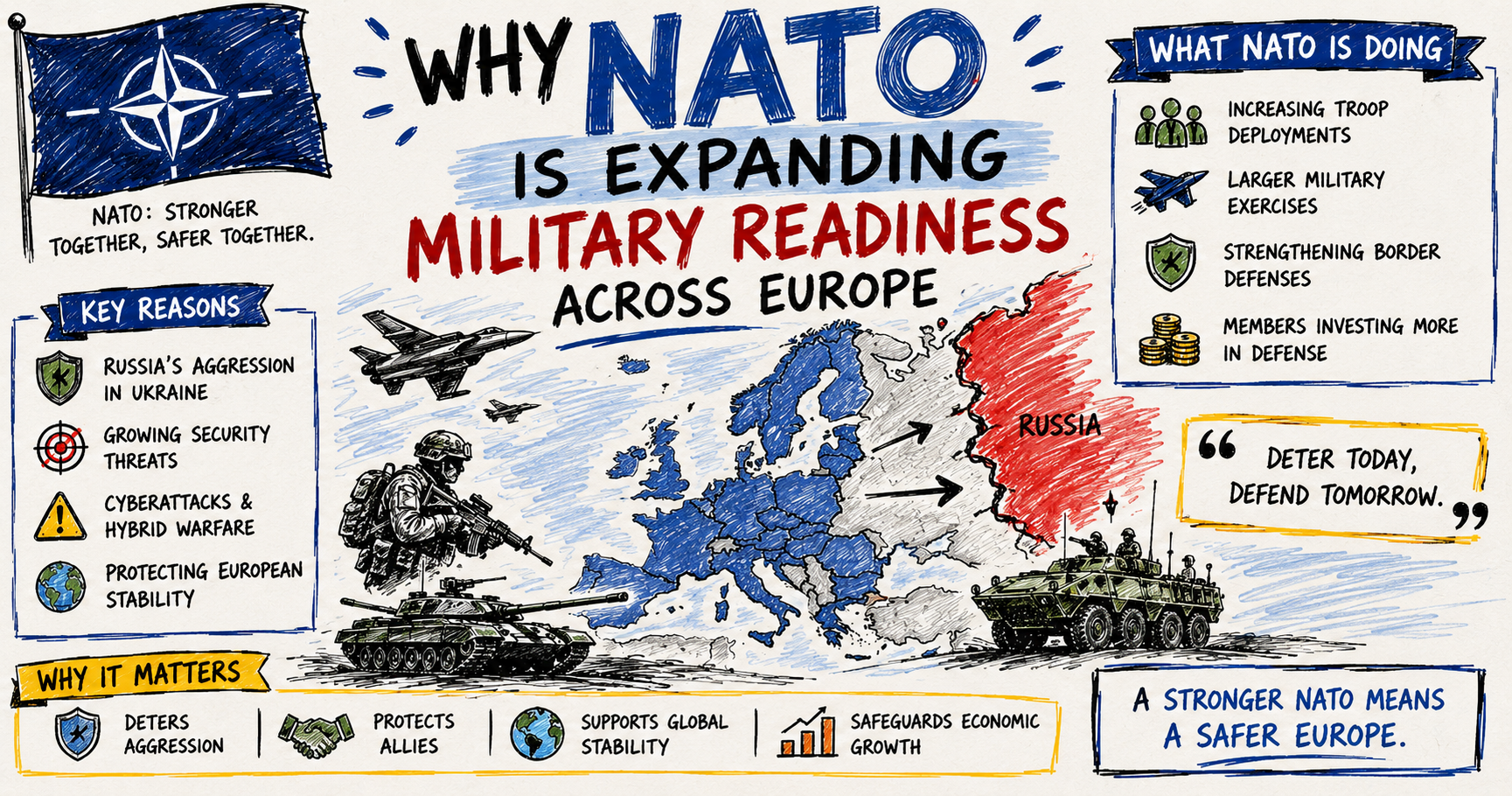
Today, NATO is rapidly expanding military readiness across Europe, increasing troop deployments, conducting larger military exercises, strengthening border defenses, and pushing member countries to spend more on defense.
The reason is simple: Europe no longer feels secure.
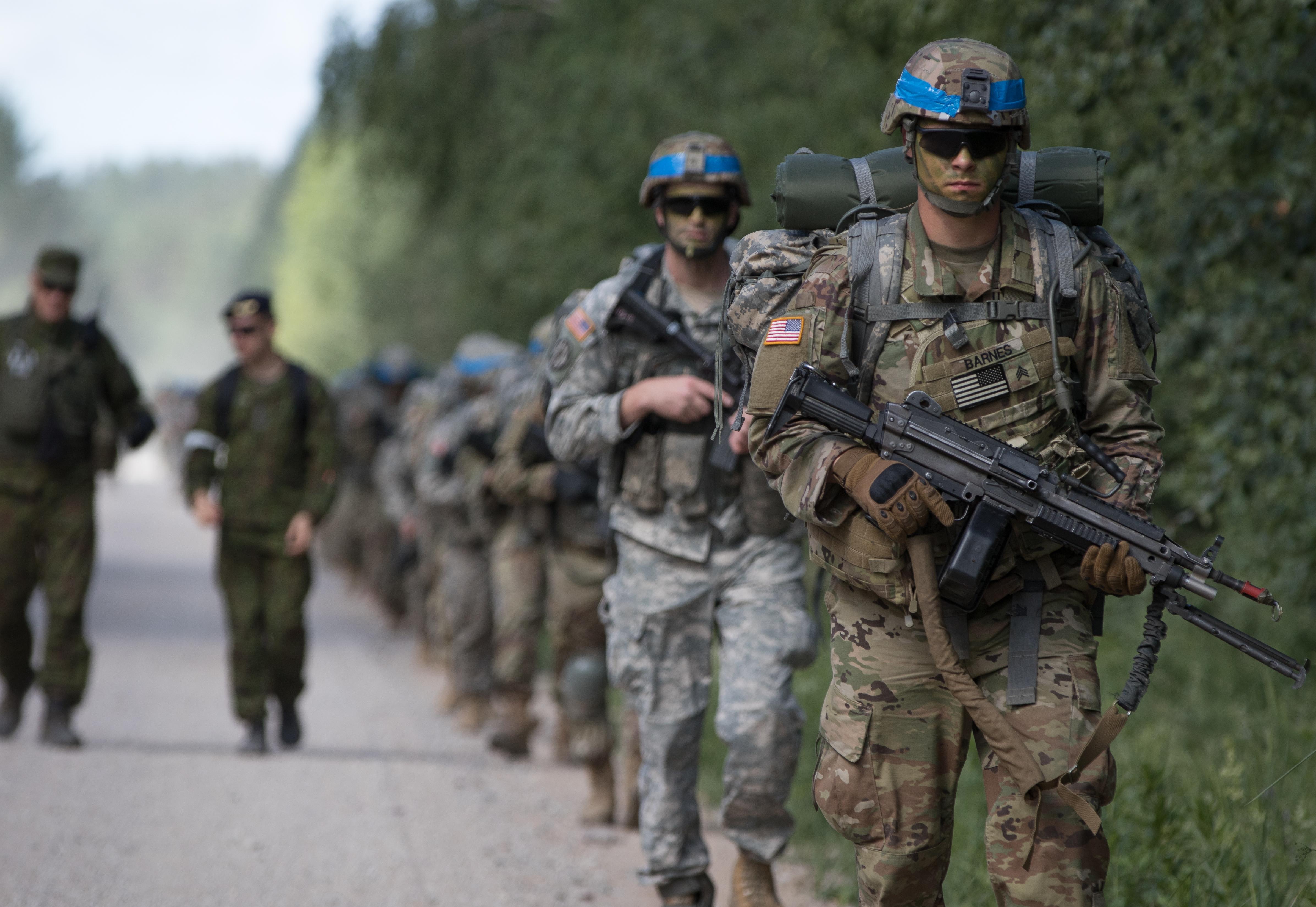
The war in Ukraine, rising tensions with Russia, cyber threats, and fears of wider regional instability have completely transformed Europe’s security calculations.
What once looked like a temporary crisis is now reshaping the future of European defense policy.
Why NATO Was Created in the First Place
NATO was formed in 1949 after World War II as a military alliance designed to protect member countries from external threats.
Its core principle is collective defense:
- if one NATO country is attacked, other members are expected to respond.
For decades during the Cold War, NATO focused mainly on countering the Soviet Union.
After the Soviet collapse in 1991, many believed Europe had entered a more stable era. Military threats appeared reduced, and several countries cut defense spending significantly.
But recent geopolitical developments have reversed that assumption.
The Ukraine War Changed Europe’s Security Thinking
The biggest turning point was Russia’s invasion of Ukraine.
The conflict forced European governments to reconsider whether peace on the continent could still be taken for granted.
Many NATO members suddenly realized:
- military deterrence still matters
- border security remains fragile
- large-scale warfare in Europe is still possible
Countries near Russia’s borders, especially in Eastern Europe, became increasingly concerned about long-term regional security.
As a result, NATO began:
- increasing troop presence
- expanding joint military drills
- strengthening air defense systems
- improving rapid response capabilities
This expansion is meant both to reassure NATO allies and deter potential aggression.
Eastern Europe Has Become Strategically Critical
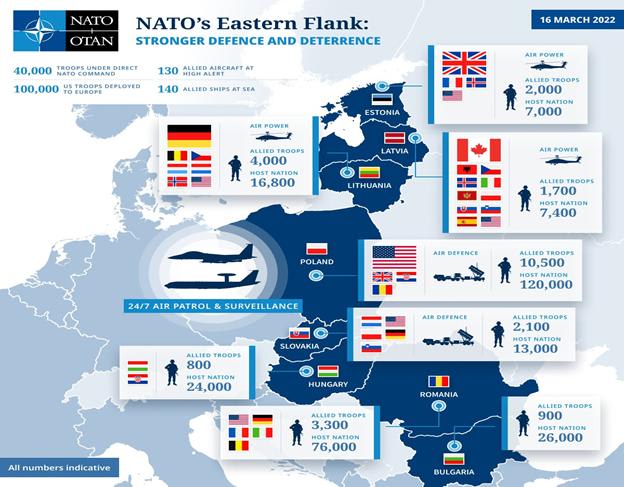
Eastern European countries now sit at the center of NATO’s defense strategy.
Countries such as:
- Poland
- Lithuania
- Latvia
- Estonia
have significantly increased military preparedness.
Poland, in particular, has expanded defense spending rapidly and invested heavily in modern weapons systems.
These countries fear that instability in the region could spread if NATO appears weak or divided.
This is why military readiness is no longer seen as optional — it is increasingly viewed as essential.
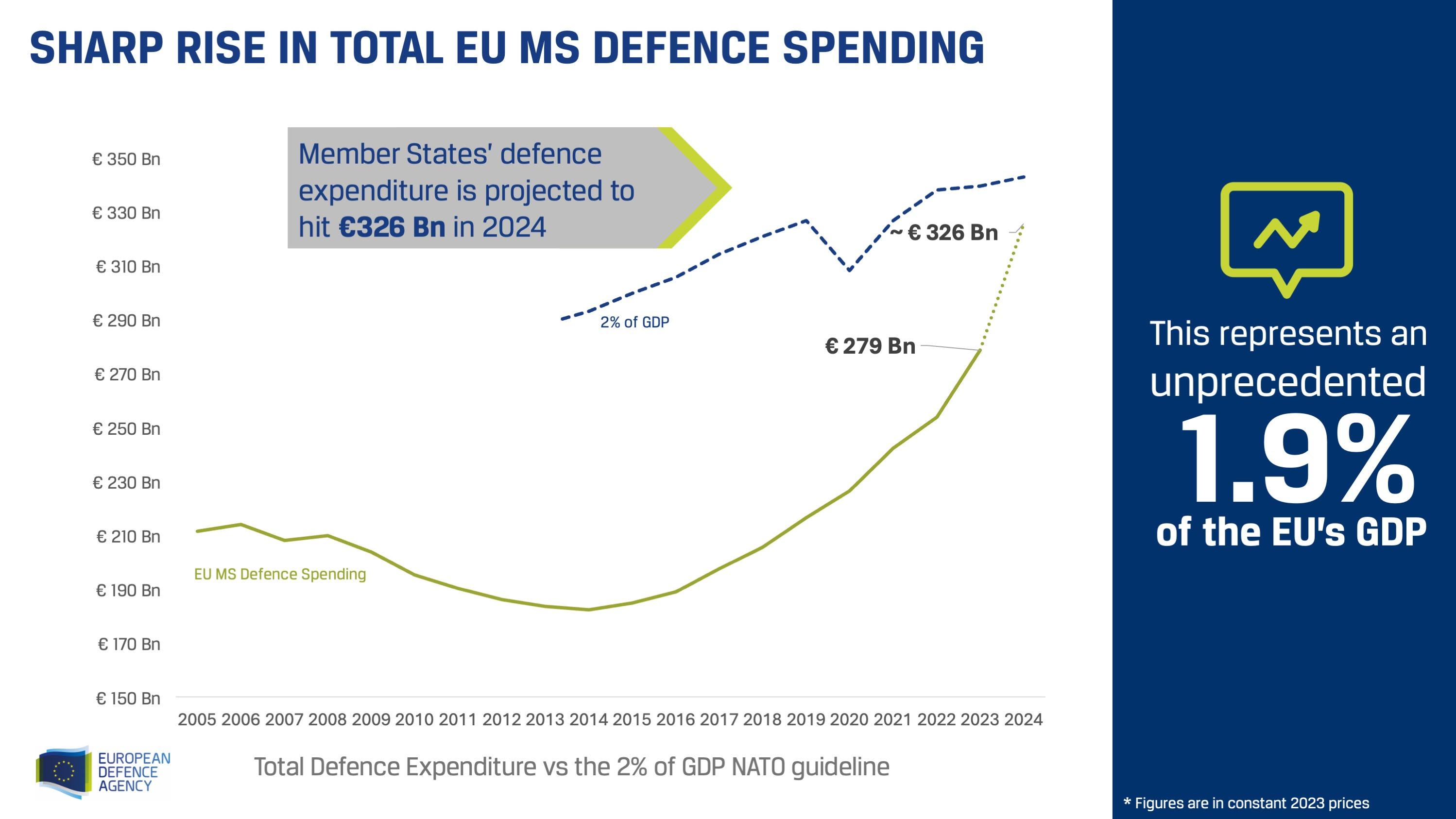
Europe Is Spending More on Defense Again
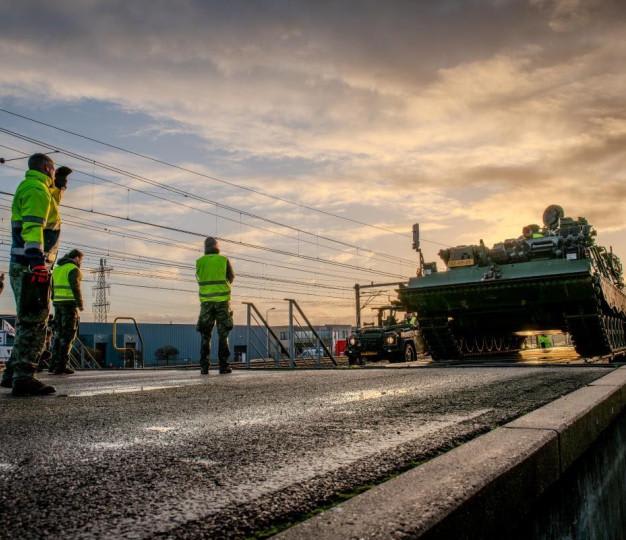
For years, several NATO members were criticized for relying too heavily on American military protection while keeping their own defense budgets relatively low.
Now that is changing.
European countries are increasing investments in:
- military infrastructure
- advanced weapons systems
- cybersecurity
- intelligence networks
- air defense
- ammunition production
Germany, for example, announced a major defense policy shift after the Ukraine conflict, breaking away from decades of cautious military spending.
This marks one of the biggest transformations in European defense strategy since the Cold War.
Russia and NATO Distrust Each Other More Than Ever
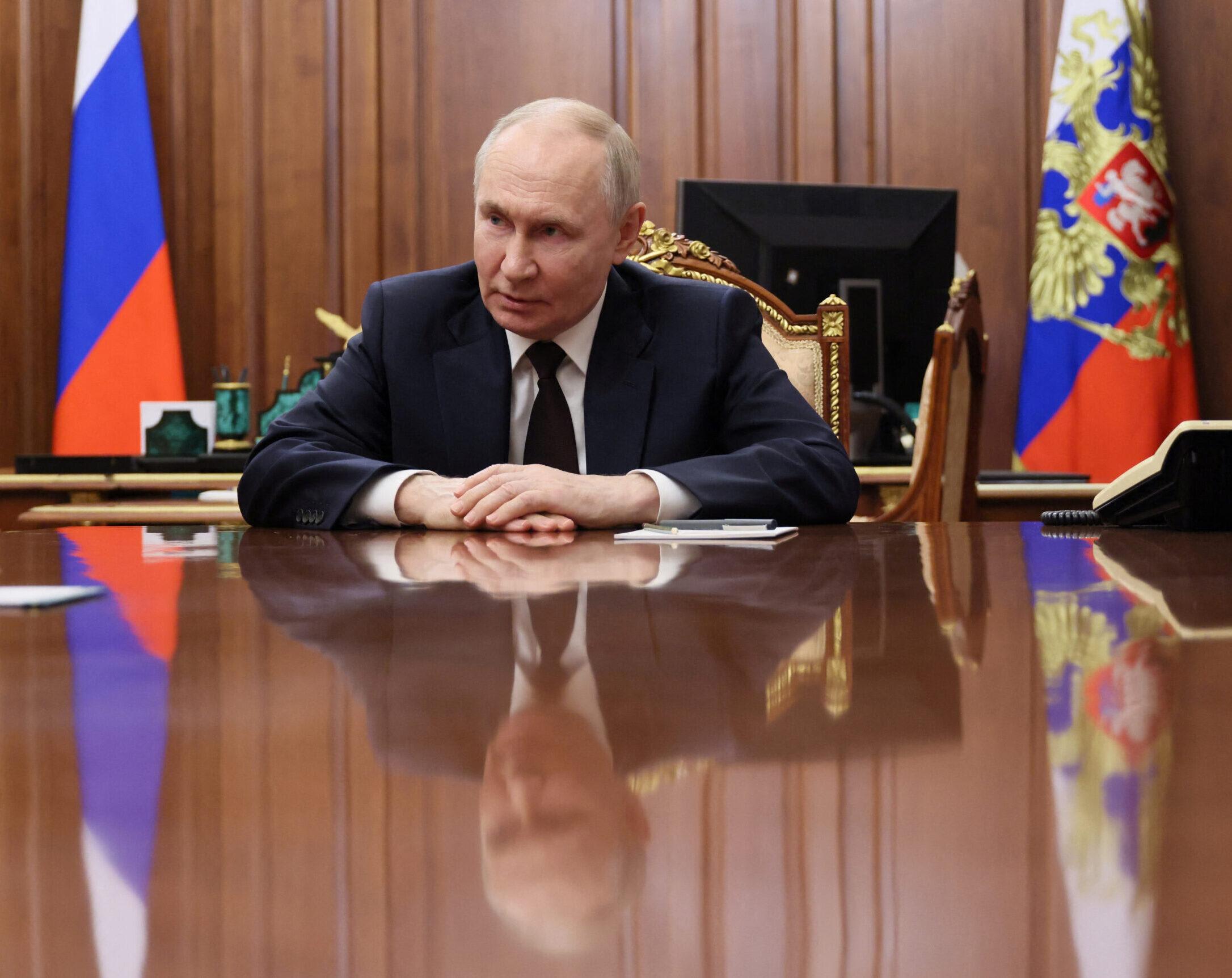
Relations between Russia and NATO have deteriorated sharply in recent years.
Moscow views NATO expansion near its borders as a direct security threat. NATO countries, meanwhile, argue that Russia’s actions have made stronger military preparedness necessary.
This growing distrust has created a dangerous cycle:
- NATO expands readiness
- Russia increases military activity
- tensions rise further
- both sides become more defensive
The concern among analysts is not just intentional war, but the possibility of miscalculation or accidental escalation.
When military forces operate closely near borders, even small incidents can quickly become serious diplomatic crises.
Modern Warfare Is No Longer Just About Soldiers
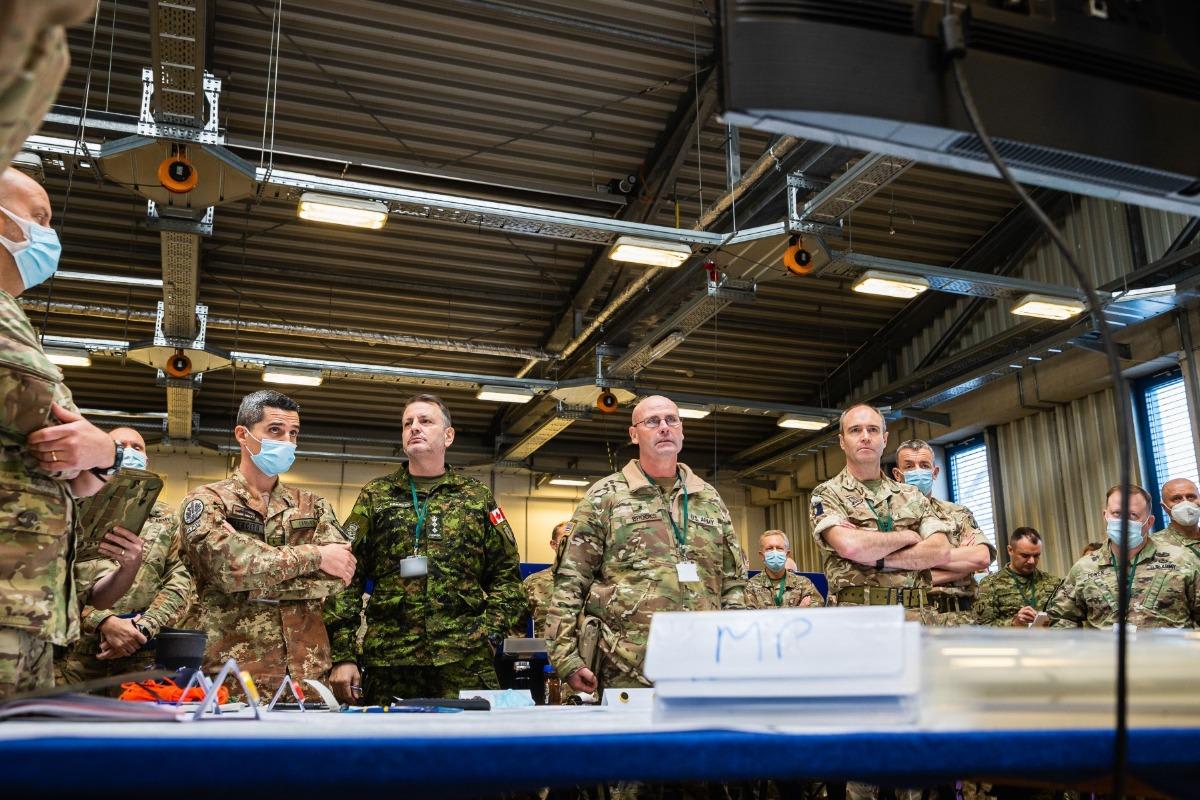
NATO’s expanding readiness also reflects changes in modern warfare.
Today’s security threats include:
- cyberattacks
- disinformation campaigns
- drone warfare
- AI-assisted military systems
- energy security risks
European countries are increasingly preparing for hybrid warfare — conflicts that involve both military and non-military tactics.
This means defense strategy now includes:
- protecting digital infrastructure
- securing energy supplies
- defending communication networks
- monitoring cyber threats
Modern security is no longer limited to battlefields alone.
Why This Matters to the Global Economy
The NATO-Russia tension is not just a military issue.
It also affects:
- global energy markets
- inflation
- trade routes
- defense industries
- investor confidence
Europe remains one of the world’s largest economic regions. Any instability there can quickly impact global financial markets.
Higher defense spending also influences national budgets, government borrowing, and economic priorities.
For countries outside Europe — including India — these tensions affect:
- oil prices
- trade relations
- diplomatic partnerships
- global market stability
That is why NATO’s military expansion is being closely watched worldwide.
Europe Is Entering a New Security Era
The bigger reality is this:
Europe no longer believes the post-Cold War peace model can fully guarantee security.
A new era of geopolitical competition has emerged, and NATO is adapting to that reality.
Whether through troop deployments, defense spending, or strategic coordination, the alliance is preparing for a future where military readiness once again becomes central to European stability.
No one wants a wider conflict.
But NATO’s expansion across Europe shows that many governments believe preparing for risk is now unavoidable.
Rising NATO military readiness in Europe also reflects a larger global trend where geopolitical flashpoints like Taiwan are becoming increasingly dangerous.